3rd March 2025 By Paul Yandall | paul@propertyticker.co.nz | @propertyticker
The government says it will replace one-off development contributions with a new development levy system and a regulator to oversee the regime.
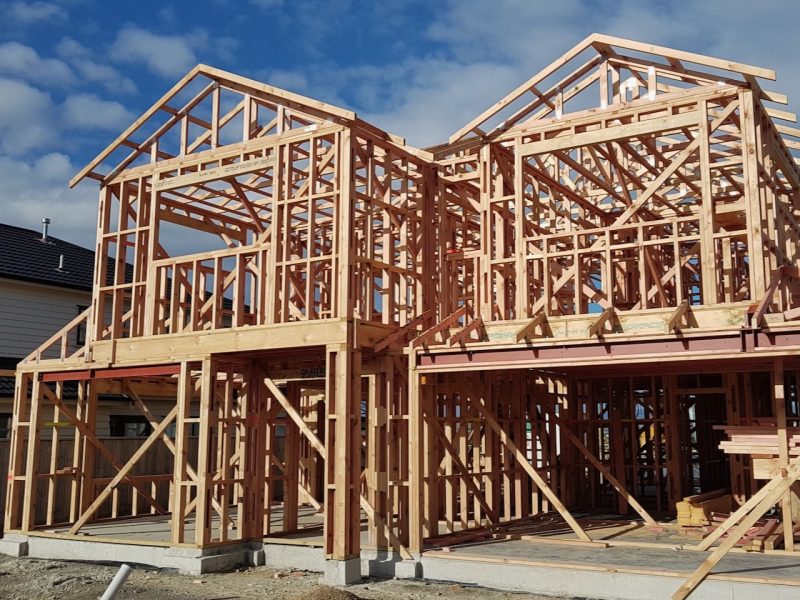
The change will enable councils and other infrastructure providers to charge developers a proportionate amount of the total cost of capital expenditure necessary to service growth over the long term.
Housing Minister Chris Bishop and Local Government Minister Simon Watts announced the change on Friday, as well as the establishment of regulatory oversight of development levies to ensure fairness.
“The changes we are announcing [on Friday] respond to the calls from councils and developers to make it much simpler and easier to fund and finance enabling infrastructure for housing,” the ministers said in a joint statement.
“In short, the government’s changes will create a flexible funding and financing system to match a new, flexible, planning system.”

The new levy system will see separate levies maintained for each infrastructure service, with levy zones expected to cover a pre-defined urban area. Levies will be calculated based on overall growth costs and expected levels of growth.
“Shifting to development levies will provide councils and other infrastructure providers, such as water council-controlled organisations, with increased flexibility to charge developers for the overall cost of growth infrastructure across an urban centre,” stated the government factsheet on the change.
“Councils and other infrastructure providers will still be required to use identified infrastructure projects to calculate levies.
“However, they’ll be able to adapt plans to respond to growth and use development levy revenue to build the infrastructure needed to support housing and urban development.”
Property Council New Zealand said the change could encourage more housebuilding.
“[Friday’s] announcement on the overhaul of development contribution fees is a welcome move, paving the way for greater commercial viability and supporting the construction of more homes,” Property Council chief executive Leonie Freeman said.
“With housing affordability becoming an increasingly pressing issue, this reform could go a long way in ensuring that development is not unnecessarily hindered.”

Freeman said that development contribution fees “have the power to either drive or hinder growth”.
“Recently, some councils have raised these fees by an astonishing 289%, pushing the total cost to approximately $100,000 per home, ultimately adding to the final purchase price for buyers. These increases are unsustainable and limit the ability to address the growing housing shortage.”
She added that the Property Council has “strongly advocated” for an independent regulator to oversee development contribution fees.
“We hope this step will provide greater long-term certainty for development, benefiting both developers and the communities they serve.”
Other changes announced on Friday included allowing councils to set targeted rates that only apply to new developments, and enabling targeted rates and levies to be used together where projects benefitted existing residents and provided for growth.
The government also wanted to improve the effectiveness of the Infrastructure Funding and Financing (IFF) Act, particularly for developer-led projects.
The government’s development levies and targeted rates factsheet can be read here.

27 Feb 2025 Govt injects $36m into Māori housing partnership

4 Feb 2025 Govt accelerates $200m for Māori housing
Subscribe to The Yield newsletter. Get the latest commercial property news and insights delivered to your inbox every morning.